

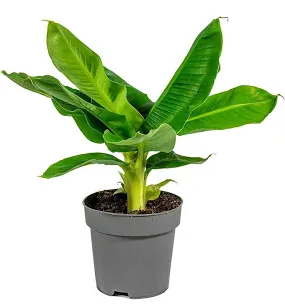
Banana plant with pots
Original price was: ₹349.00.₹299.00Current price is: ₹299.00.
Banana plant:;
It’s wonderful that you’re interested
in the banana plant, or Kela plant!
Despite its imposing size and tree-like appearance, this fascinating organism is actually one of the
world’s largest herbaceous flowering plants, not a true tree with a woody trunk. This unique botanical
classification is just one of many intriguing aspects of the plant.
No 01
Here are five key features of the banana plant explained in detail:
Botanical Identity (It’s an Herb, Not a Tree): Perhaps the most surprising feature for many people is that the banana plant is botanically classified as a gigantic perennial herb belonging to the Musaceae family.
No 02
It lacks a true, woody stem or trunk. Instead, its visible “trunk” is a pseudostem, a false stem formed by the tightly packed, overlapping bases (sheaths) of its enormous leaves. This non-woody structure can still reach impressive heights, sometimes over 20 feet (6 meters) tall.
No 03
Massive, Distinctive Leaves: The plant features exceptionally large, broad, paddle-shaped leaves that grow in a spiral arrangement from the top of the pseudostem. These leaves can be up to 9 feet (2.7 meters) long and 2 feet (60 cm) wide. While functional for photosynthesis, they are easily torn by the wind due to the lack of branching veins, giving mature plants a characteristic, somewhat ragged or “frayed” appearance, which is part of their natural charm.
No 04
Unique Fruiting Cycle and Reproduction: A single pseudostem produces one terminal inflorescence (flower spike), often referred to as the “banana heart,” which eventually develops into a single large bunch of bananas. Each bunch contains multiple clusters of fruits, sometimes 50 to 150 bananas in total. After this single fruiting event, that specific pseudostem dies back. However, the plant is a perennial, as new shoots called “suckers” or “pups” emerge from the underground stem structure, the rhizome (or corm), to grow into new producing plants, ensuring the cycle continues. This vegetative propagation is how most edible, seedless bananas are reproduced commercially.
The Fruit is Botanically a Berry: While we commonly call a banana a “fruit,” botanically speaking, it is classified as a berry. The commercially available bananas we eat are typically seedless (parthenocarpic), meaning they develop without fertilization. The tiny black specks you might notice in the center of the flesh are actually undeveloped ovules, not viable seeds. The fruit itself is renowned globally for its high nutritional value, being an excellent source of dietary fiber, potassium, manganese, and vitamins B6 and C.
Versatile Uses Beyond the Fruit: The utility of the banana plant extends far beyond just its delicious fruit. In many tropical and subtropical regions, virtually every part of the plant is utilized. The large, waterproof leaves serve as a traditional, eco-friendly surface for serving food and wrapping items for cooking, which can impart a subtle, sweet flavor to the dish. The inner core of the pseudostem and the flower (banana blossom) are often cooked and eaten as vegetables. Furthermore, fibers from the plant can be used in textile and paper industries.
No 05
In summary, the Kela plant is a remarkable and highly versatile tropical giant, unique in its
herbaceous nature and propagation methods, and incredibly valuable to human culture and nutrition worldwide. It’s a true marvel of the plant kingdom!
I hope this detailed explanation has been helpful, and please feel free to ask if you have any more questions!
Reviews (0)
Related products
-
Pooja Plant
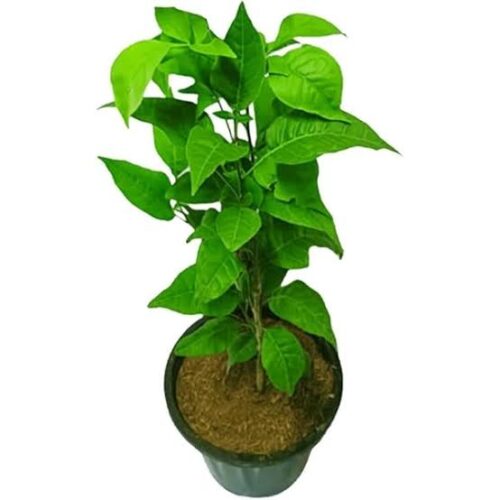
Bel patra plant with pots
Original price was: ₹299.00.₹249.00Current price is: ₹249.00. Add to cart -
Art Plant
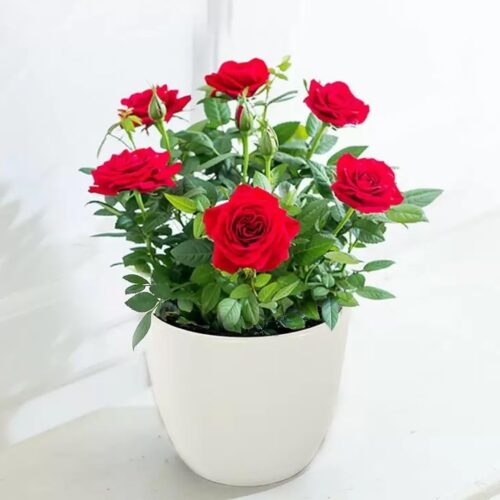
Kashmiri gulab with pots
Original price was: ₹699.00.₹499.00Current price is: ₹499.00. Add to cart -
Art Plant
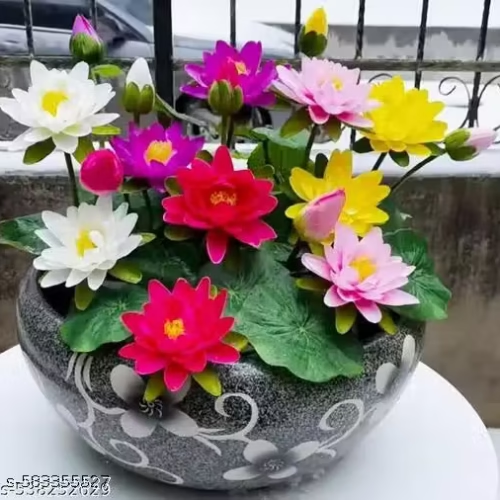
My Lovely ART PLANT
Original price was: ₹1,099.00.₹999.00Current price is: ₹999.00. Add to cart -
Bestseller
Tulasi Plant with pots
Original price was: ₹250.00.₹199.00Current price is: ₹199.00. Add to cart
Reviews
There are no reviews yet.